New Study Finds Microplastics in Everyday Tea

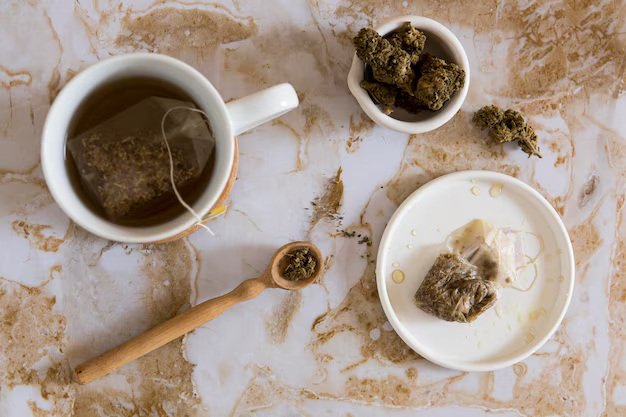
A fresh wave of research has put a common kitchen ritual under a microscope. Scientists studying commercial tea bags found that steeping many modern tea bags in hot water releases large numbers of tiny plastic fragments into the brew. The paper looked at several kinds of commercial tea bags and measured microscopic particles that came out during normal preparation.
The researchers reported that different materials shed different amounts of particles. One polymer, polypropylene, produced the highest counts in their tests, while cellulose-style bags and nylon meshes also released very large amounts in some cases. The team also extracted those particles and exposed them to human intestinal cells in laboratory tests, showing that the cells can take up those particles.
This paper sits on top of a longer story. In 2019, a separate laboratory study found even higher quantities for certain plastic mesh tea bags, and it drew wide attention when it first appeared. The lab work has been repeated and debated since then, which means the raw numbers are still being refined.
What the Science Actually Found
Laboratory methods vary. One widely cited 2019 experiment used high temperatures and sensitive particle counting to report billions of micro and nanoplastics released from a single plastic tea bag. That work led to headlines because of the very large numbers reported for one cup of tea.
At the same time, government agencies and follow-up studies have pushed back on some of the early headlines. A risk review by the German Federal Institute for Risk Assessment examined the 2019 figures and found that some counts in the original paper were likely too large and that other studies found much lower numbers when different methods were used. The German assessment concluded that particles detected in brewed tea sometimes came from material deposited on the bag surface before brewing rather than forming during brewing itself.
Other laboratory studies and reviews help explain why numbers differ so much between experiments. Differences include whether the bag is nylon, polypropylene, or a plant-based material, how hot the water is, how long the bag steeps, and the measurement tools scientists use. A recent review that compared several experiments warned that tea can come with micro and nanoplastic contamination from multiple sources, including the bag, the dry leaves, the water, and the kettle
Simple, comparable figures are still rare, but the pattern is clear. Hot water plus some modern bag materials can liberate very small plastic particles in very large numbers. How those particles behave in the human body is not fully known, but cellular tests show uptake, and laboratory animal studies have found inflammation and other effects for some micro and nanoplastics at high doses.
People and Experts React
The scientific debate has real-world echoes. One of the earliest lab lead researchers said the project began with a simple moment of concern. According to a report by The Guardian, a professor noticed a silky-looking bag in a cafe and asked why plastic would be placed in boiling water. That curiosity eventually led to experiments that set off the public conversation.
Public response has been fast. Many tea drinkers told reporters they changed habits after reading coverage of the studies, choosing loose-leaf tea, metal strainers, or brands that advertise plant-based or folded paper bags rather than sealed polymer bags. Some big brands have also moved away from plastic in their bags in recent years and promoted that shift as a reason to keep buying their product. A report by Unilever in 2020 found a major brand had switched to plant-based bags in response to consumer pressure.
Experts are cautious but not indifferent. Several public health and environmental scientists say the presence of tiny plastic particles in everyday food and drink is a concern worth reducing. They emphasise that ordinary exposure comes from many sources in modern life and that removing avoidable sources is sensible while researchers work to learn what levels might cause harm.
Below is a short summary table that puts two of the most cited laboratory results side by side so readers can see how published numbers differ. The table is a simple comparison and not a meta-analysis. The original studies used different methods and conditions. Sources are noted in the final lines of the article.
| Study or source | Material tested | Typical reported particle count |
|---|---|---|
| Hernandez et al., 2019 | Plastic mesh tea bag | About 11.6 billion microplastics and 3.1 billion nanoplastics per steeped bag in the conditions of that experiment. |
| Universitat Autonoma de Barcelona, 2024 | Polypropylene, cellulose, nylon bags | Reported millions to billions per millilitre depending on the material. Polypropylene produced the highest counts in these tests. |
What Can be Done Next
From a public health and policy viewpoint, there are two threads to follow. One is better measurement and regulation. Scientists and agencies need agreed test methods so results are comparable and so regulators can assess risk. The other is reducing avoidable sources of exposure now, while science advances.
On the consumer level, the easiest steps are practical and immediate. Many experts recommend switching to loose-leaf teas brewed with a metal infuser or a glass pot with an internal filter. Metal or glass contact surfaces avoid the high-temperature contact with plastics that occurs when synthetic bags are used.
Kettles and other hot water containers matter too. A recent laboratory study on plastic kettles found that new plastic kettles can release millions of nano and microplastic particles into boiling water and that the first few boils had higher release rates. Discarding the first one or two boils of a new kettle or choosing a kettle made of glass or stainless steel will cut that possible contribution to exposure.
Policy makers and industry can help. Clear rules on what can be called plant-based or biodegradable packaging, and standards for testing food contact materials at high temperatures, would make labels more meaningful. Some tea companies have already moved to folded paper bags or other plant materials and have kept customers informed. Consumers who want to reduce risk should look for clear labelling or choose loose-leaf and reusable infusers.
For community-level action, citizen voices matter. In past years, petitions and public pressure prompted major tea brands to remove some forms of plastic from their bags. That shows a path for change that does not rely solely on waiting for new science.
Finally, researchers need to study long-term, realistic exposures and link those data to health outcomes. Right now, laboratory tests show cells can take up tiny particles, and some animal studies show harmful effects at high doses. That is a strong reason to reduce avoidable exposures now and to speed better measurement and regulation in the near term.
Acknowledgement of Sources and Further Reading
Key studies and reviews mentioned above are available in scientific journals and institutional releases. The main items used to support this article were the recent Universitat Autonoma de Barcelona study in Chemosphere, the 2019 McGill study by Hernandez and colleagues, the German Federal Institute for Risk Assessment review, a broad review of microplastics in tea materials, and recent reporting of kettle studies that point to another possible source of particles.
- De Barcelona, U.-. U. A. (n.d.). Commercial tea bags release millions of microplastics when in use. UAB Barcelona.
- Hernandez, L. M., Xu, E. G., Larsson, H. C. E., Tahara, R., Maisuria, V. B., & Tufenkji, N. (2019). Plastic Teabags Release Billions of Microparticles and Nanoparticles into Tea. Environmental Science & Technology, 53(21), 12300–12310.
- BfR assesses study on tea bags and microplastic particles. (2025, May 8). Bundesinstitut Für Risikobewertung.
- Microplastics and our health: What the science says. News Center. Stanford Medicine, 2025.
- University of Queensland, 2025. Courier Mail
Actionable Takeaway
If you drink tea and want to reduce avoidable plastic exposure today, choose loose leaf tea with a metal or glass infuser, avoid sealed polymer teabags when possible, and consider discarding the first boil from a new plastic kettle. Those simple steps will cut likely sources of micro and nanoplastic particles while science and regulation catch up.