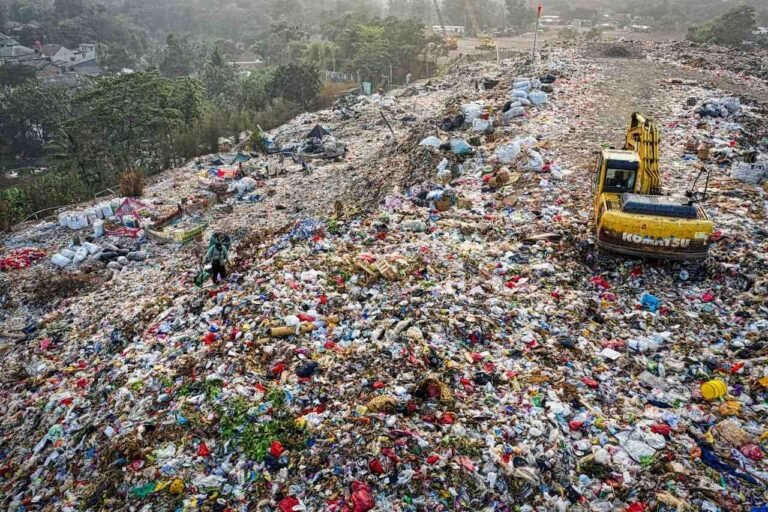
Why Biodegradable Bags Can Accelerate Pollution in Practice

Biodegradable bags look like a neat fix. They promise less waste, cleaner parks and gardens, and a softer footprint than throwaway plastic. Yet in many places, the opposite is happening. When design, labels, waste systems and human habits do not line up, biodegradable and compostable bags can make pollution worse rather than better. This article explains how that happens, using recent studies, real industry accounts and policy actions to show where the problems lie and what actually reduces harm.
In This Article
- How Biodegradable Bags are Made and What They Promise
- Where the Promise Breaks Down: Three Practical Pathways to More Pollution
- Real people and real costs
- What Good Policy and Practice Look Like
- Short Checklist for Decision Makers and Consumers
How Biodegradable Bags are Made and What They Promise
Biodegradable bags come in several forms. Some are made from plant-based polymers that microbes can break down in industrial composters. Others are fossil fuel plastics mixed with additives that speed up fragmentation when exposed to oxygen and sunlight. Manufacturers and retailers often label both types as environmentally friendly, but the words mean different things in practice.
A certified compostable bag is built to disintegrate and biodegrade under specific conditions inside industrial composting facilities. According to European Bioplastics and related industry guidance, certified compostable items are expected to break down within set timeframes in those systems.
By contrast, Oxo additive-enhanced plastics, which have been widely sold as “oxo-biodegradable, fragment into smaller pieces through oxidation but do not reliably mineralise to harmless organic matter in soil or sea. The Single Use Plastics Directive of the European Union therefore banned products made from Oxo-degradable plastics. A report by the European Commission in 2019 found that such fragmentation can leave persistent particles in the environment.
Proponents argue that biodegradable bags make it easier to divert food waste and reduce landfill methane emissions when the bags are collected into the correct composting stream. In ideal systems, these products can work and help lower the climate and waste burden. Research reviews, such as a study by S. Choe, also show potential environmental advantages when the full life cycle and proper end-of-life management are taken into account
Where the Promise Breaks Down: Three Practical Pathways to More Pollution
First, confusing labels lead to bad disposal and contaminated recycling or compost. In real-world systems, people throw things in the bin they think are safe. Waste industry leaders in Australia have described how bags labelled compostable or biodegradable often do not meet composting standards, and how these mislabelled items contaminate food and garden waste streams. Richard Kirkman of Veolia ANZ reported large volumes of non-compostable liners in organic collections and called contamination a “nightmare for the industry”. That contamination forces operators to reject loads or to remove plastics by hand, increasing costs and the chance that fragments or residues end up in soil or landfill. A report by Veolia and related audits found widespread consumer confusion about which products belong in which bin, as reported by The Guardian.
Second, some “biodegradable” products do not fully biodegrade in the environments where they are discarded and instead fragment into small particles that behave like microplastics. Independent scientific reviews and national assessments have repeatedly warned that Oxo-additive products and some poorly designed bioplastics can fragment but not fully mineralise, leaving persistent material in soil and water. The Swiss environmental office and other regulators have documented that Oxo-degradable plastics can fragment into persistent residues and harm recycling streams. A review by researchers at the Hutton Institute also concluded that such products are likely to form fragments and are not suitable for recycling or composting.
Third, missing or unsuitable infrastructure turns good design into pollution. Certified compostable bags need industrial composting at specific temperatures and residence times for full biodegradation. A 2024 study that tested certified home compostable bags found poor disintegration in realistic home compost settings, including trials with dog faeces, showing that many commercially sold bags do not behave as consumers expect in household conditions. That leaves residues that either get removed and landfilled or contaminate finished compost.
These three pathways interact. Where local councils roll out organic waste collections without clear labelling, or where industrial composters do not exist, biodegradable products become a new kind of contaminant. In Australia and elsewhere, regulators and industry have found that poor labelling and uneven standards allowed “massive amounts” of misleadingly labelled products into organic waste, reducing the quality of compost and increasing plastics in soils. The report by The Guardian documented how operators were frequently forced to pull out liners that had not composted.
Real people and real costs
These are not just abstract failures. Waste managers and compost operators report daily headaches. Ash Turner of Cleanaway described liners sold in supermarkets that do not compost and “break down into microplastics that are then ploughed into the soil with the compost”. Richard Kirkman of Veolia said workers were forced to remove non-compostable liners by hand after they remained intact through accelerated composting tests. Those quotes come from recent firsthand reporting that documented the scale of the problem in Australian municipal collections.
On the policy side, the EU ban on Oxo-degradable plastics reflects real concern about the creation of secondary microplastics and the damage that can follow when a product is designed to fragment rather than to fully biodegrade. That policy change has real financial and logistical implications for manufacturers and for municipalities that must handle mixed waste streams.
At the same time, studies of human behaviour show mixed results on whether biodegradable claims increase littering. A large review published in 2025 by BB-REG-NET examined the issue and concluded that there is no conclusive evidence that biodegradable plastics directly increase littering as a simple causal effect. The report stressed that littering is driven mainly by convenience, social norms, and enforcement, although in some countries, perceptions of rapid decomposition did increase tolerance for throwing items away among certain groups. The BB-REG-NET 2025 review found the evidence to be complex and context-dependent.
Finally, the contamination of compost and recycling streams has a measurable scale. National audits and research papers have found plastics showing up in compost and potting mixes. Recent studies have identified residues of biodegradable polymer fragments in compost products and garden soils, raising concerns about microplastic accumulation in farmland and gardens.
What Good Policy and Practice Look Like
Putting biodegradable materials to work without making pollution worse requires three practical changes that are already being piloted in places that manage it well.
First, tight definitions and mandatory certification. The Single Use Plastics Directive in the European Union removed Oxo-degradable products from the market and insisted on clear definitions for items called compostable. Putting certification rules in law limits misleading claims and helps operators know what they will receive.
Second, standardised labelling and colour coding allow collection crews and optical sorters to recognise certified compostable items at scale. Operators in Australia have suggested a single, clearly identifiable certified caddy liner so processors can detect or remove non-compliant items quickly. This change reduces manual sorting, lowers contamination, and keeps compost clean. Evidence from behaviour trials shows that when consumers are told exactly what to use and are given the right bags, diversion to organics bins improves dramatically. According to the Compostable Coalition UK and related trials, a six-week household trial in Medway found more accurate disposal of compostable packaging when participants were given clear instructions and products.
Third, match product design to the actual waste system. Manufacturers should only label products as compostable if they will reliably break down in the available industrial composters where they are sold. If no industrial composting is accessible to the majority of customers, then plant-based bags should be marketed differently, and policies should favour reusable or recyclable options instead. Independent reviews and cost-benefit analyses by Eunomia back this targeted approach and show that local conditions matter more than single answers.
Fourth, stop selling bag types that are likely to fragment into persistent particles when discarded outdoors. Regulators who banned Oxo-additive plastics acted on the precaution that fragmentation into microparticles is a pathway to long-term pollution. National policy positions and scientific reviews support removing products that fragment without biodegrading, according to the James Hutton Institute and Swiss authorities.
Fifth, invest in public education that focuses on behaviour drivers like convenience, social norms and enforcement. Research shows that if bins are inconvenient or unclear, people litter regardless of labels. Well-designed collection systems, clear instructions and achievable alternatives often produce much better outcomes than swapping a single-use plastic for a labelled alternative.
Short Checklist for Decision Makers and Consumers
Policy makers should insist on mandatory certification, clear labelling, matched infrastructure and bans on products that fragment into persistent particles. Waste managers should pilot single standard caddy liners, run targeted household trials and report contamination data publicly. Manufacturers should test products in realistic disposal streams and label honestly. Consumers should ask whether a supposedly compostable product is certified and whether their local council actually composts that material. Independent audits from local councils and national agencies show that where these practices are adopted, contamination falls and diversion rises. See Irish and Australian case studies and national audits for examples.
Conclusion
Biodegradable and compostable bags can help reduce pollution if technology, labels, law and waste infrastructure work together. When they do not, those same bags can accelerate pollution by contaminating compost, fragmenting into tiny particles and masking the need for more durable solutions. The path forward is practical and testable: stop misleading claims, require certification, match products to the local waste system and fix the social and logistical drivers of litter. Those steps will turn a promising technology into a real environmental benefit rather than new forms of harm.